A calm, proactive personal AI agent with one focus: Keep you learning the things you said you wanted to learn. Not one that just does more on your behalf.


Somewhere, in a notes app, your bookmarks or just your head, you keep a list of things you have been meaning to learn or go deeper into:
Get familiar with quantum computing. Review linear algebra. Understand how transformers actually work. Read the Feynman lectures properly.


Some of those have been there for years. Then, in 2022, LLM chat arrived in everyone's pocket: any question, in any field, answered in seconds. And yet the list is not getting any shorter.
To explain why, and why we're building Miletus, we have to go back. About 2,600 years.
600 BCE
The city where science began
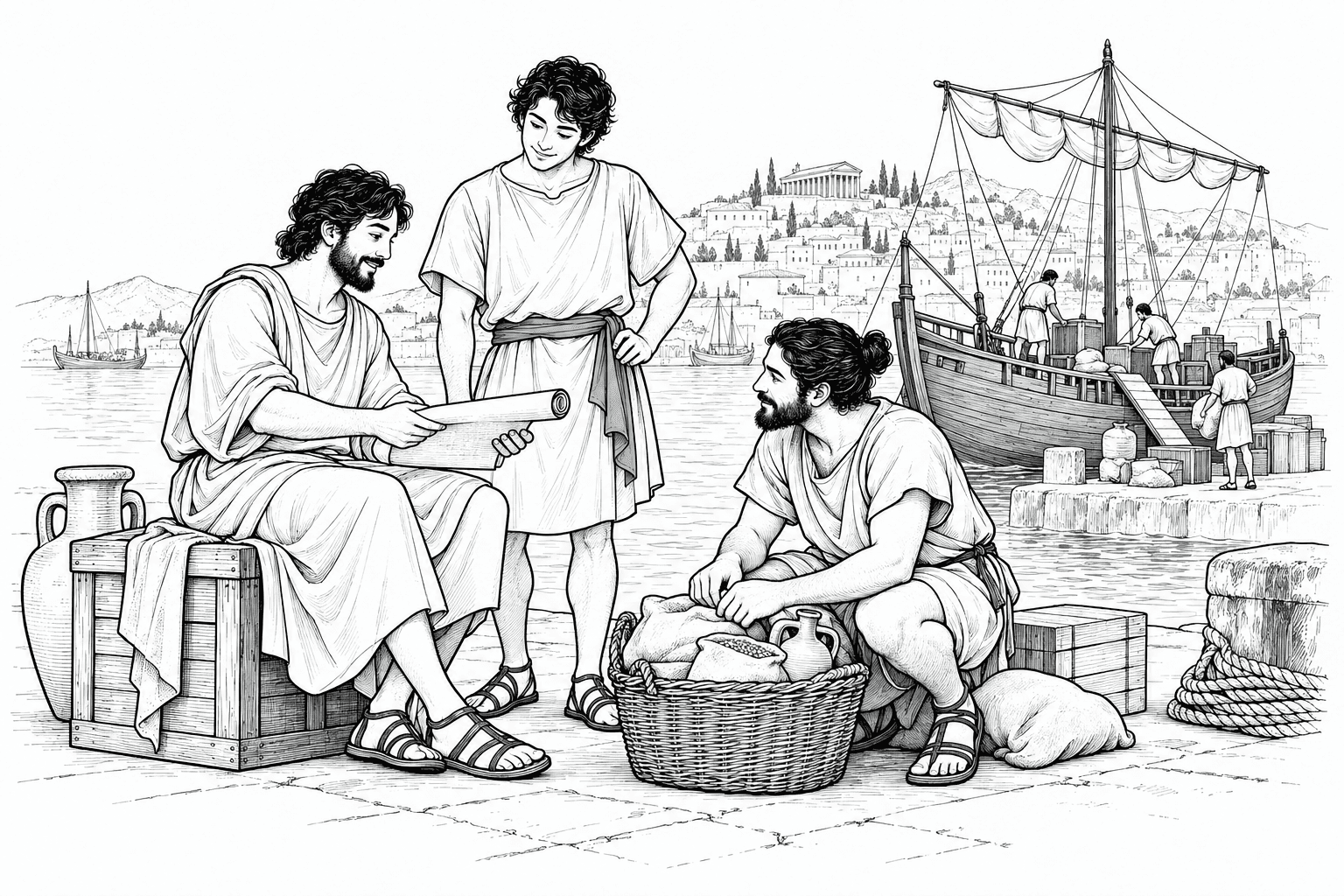
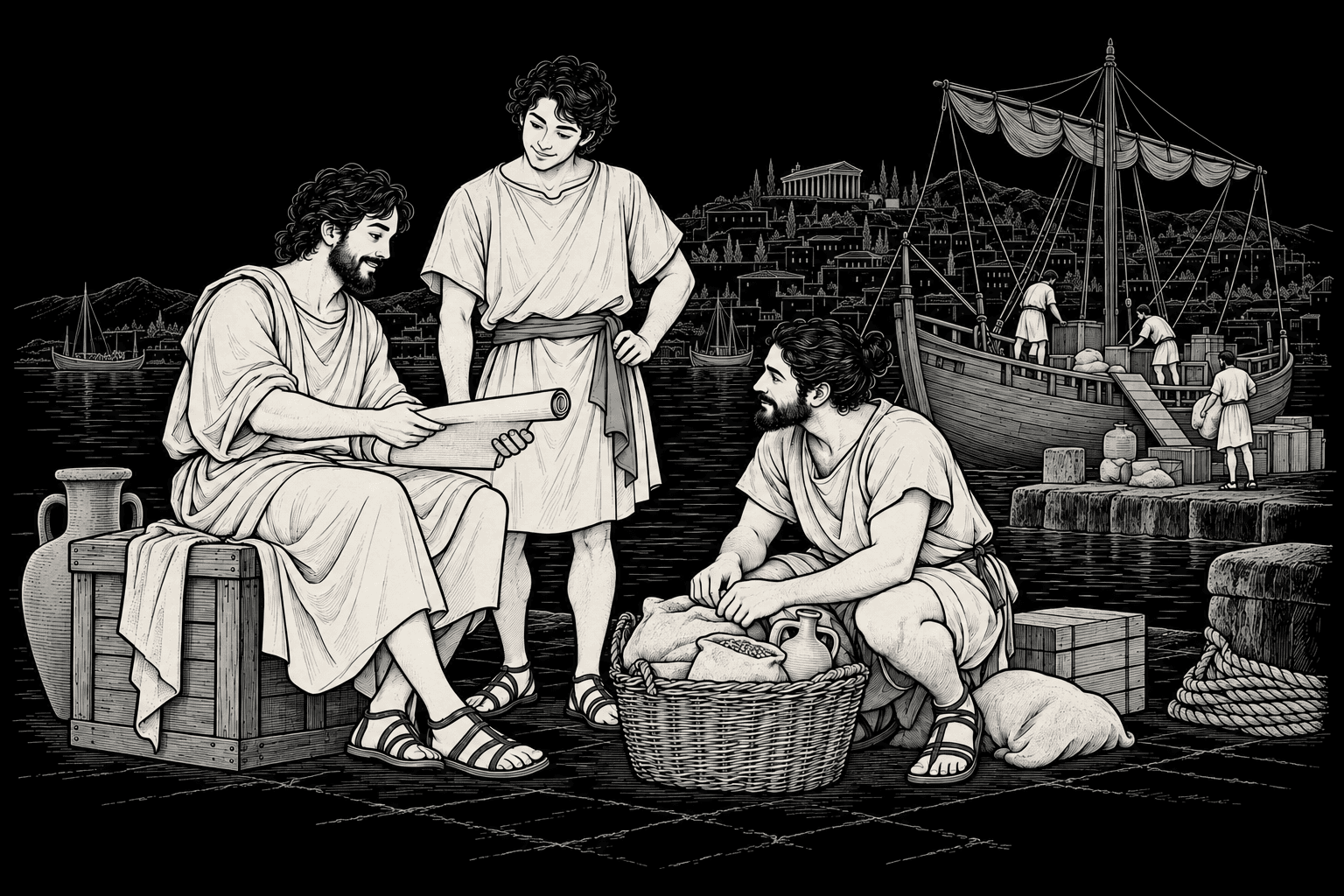
Greek philosophy didn't begin in Athens, or even on the Greek mainland. It began across the Aegean in Miletus, a port on the coast of what is now Turkey. Goods arrived from Egypt and Phoenicia, and ideas came with them.


Before Miletus, the world was explained by its gods: earthquakes were Poseidon, storms were Zeus. Then Thales gave a different kind of answer: everything is made of water, the Earth floats on it like a log, and an earthquake is that water heaving. A cause you could observe and argue with. No gods required.

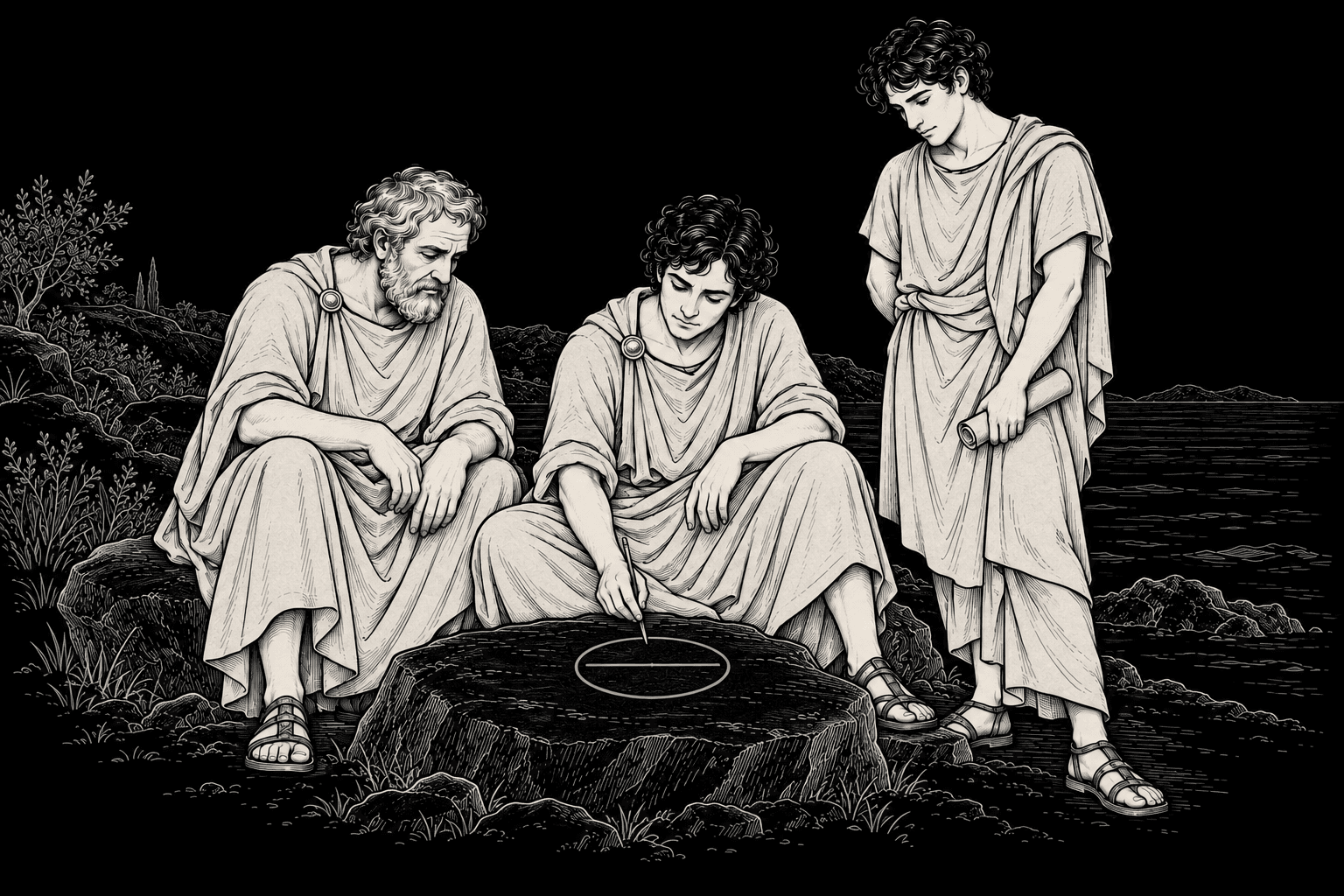
His student Anaximander kept the method and threw out the answers. Nothing holds the Earth up, he argued: it hangs in space, unsupported. Rain is water the sun draws up into the sky. Humans descended from fish-like creatures. His own student, Anaximenes, disagreed in turn: everything is air, he said, and the Earth rests on it.
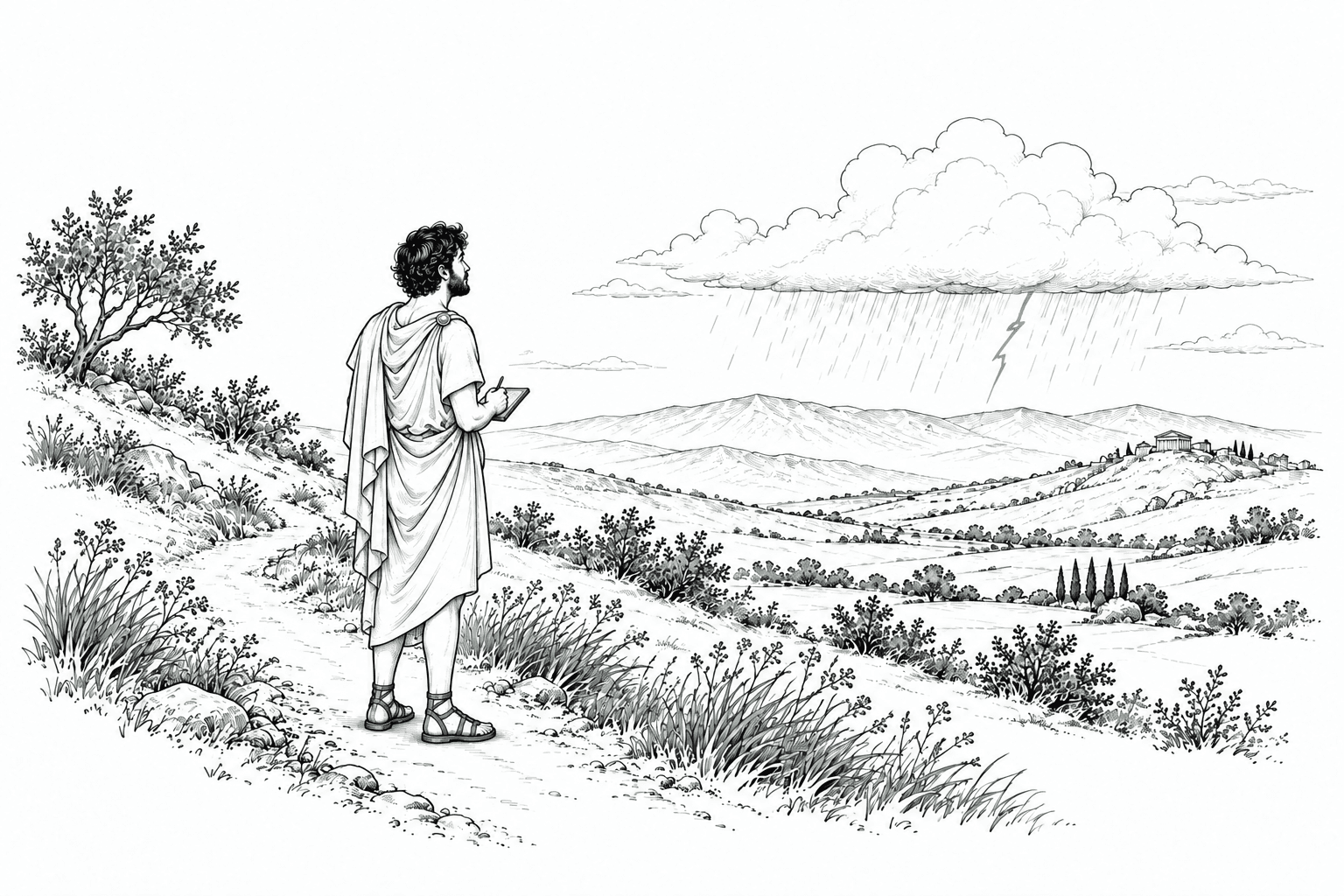
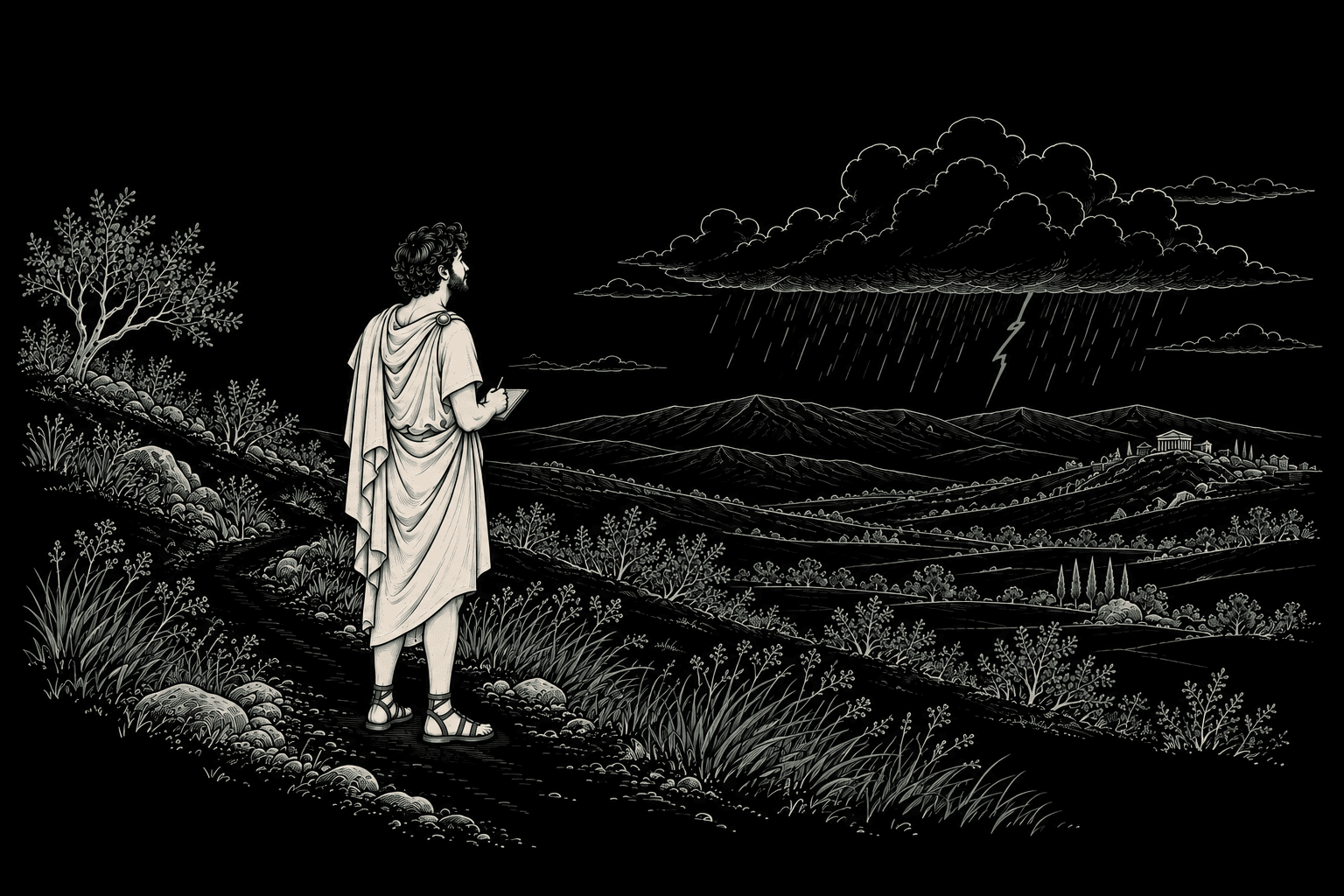
In his book on Anaximander, physicist Carlo Rovelli traces a new way of understanding the world: observe nature, seek natural causes, and form hypotheses that challenge what seems obvious.
Rain, wind and the Earth itself became things to investigate. Explanations could be questioned and improved, and even our picture of the world could change. It passed from one person to the next: a teacher who knew what the student already thought, and asked the next question.
We named Miletus after that tradition of inquiry.


387 BCE – 1450
Finding a teacher
For the next two thousand years, learning meant finding a teacher. Plato opened his Academy, the medieval universities followed, and then Gutenberg's press put a teacher on a shelf for anyone who could read.


1763
Everyone gets the same lesson
In 1763 Prussia made school compulsory, and the modern classroom followed: one teacher, thirty children, a syllabus, a bell. It spread everywhere because it was cheap.


A few remarkable people never needed it. Michael Faraday taught himself from the books he bound, Srinivasa Ramanujan from one borrowed textbook. But look at what they still went looking for: Faraday found Davy, Ramanujan found Hardy. Someone who knew where they stood, what came next, and could check their answers.


1945
A desk that remembers everything
In 1945 Vannevar Bush worried that the record of human knowledge was growing faster than anyone could use it. His answer was the memex: a desk holding everything a person had read, linked by the trails of their own thinking, "an enlarged intimate supplement to his memory".

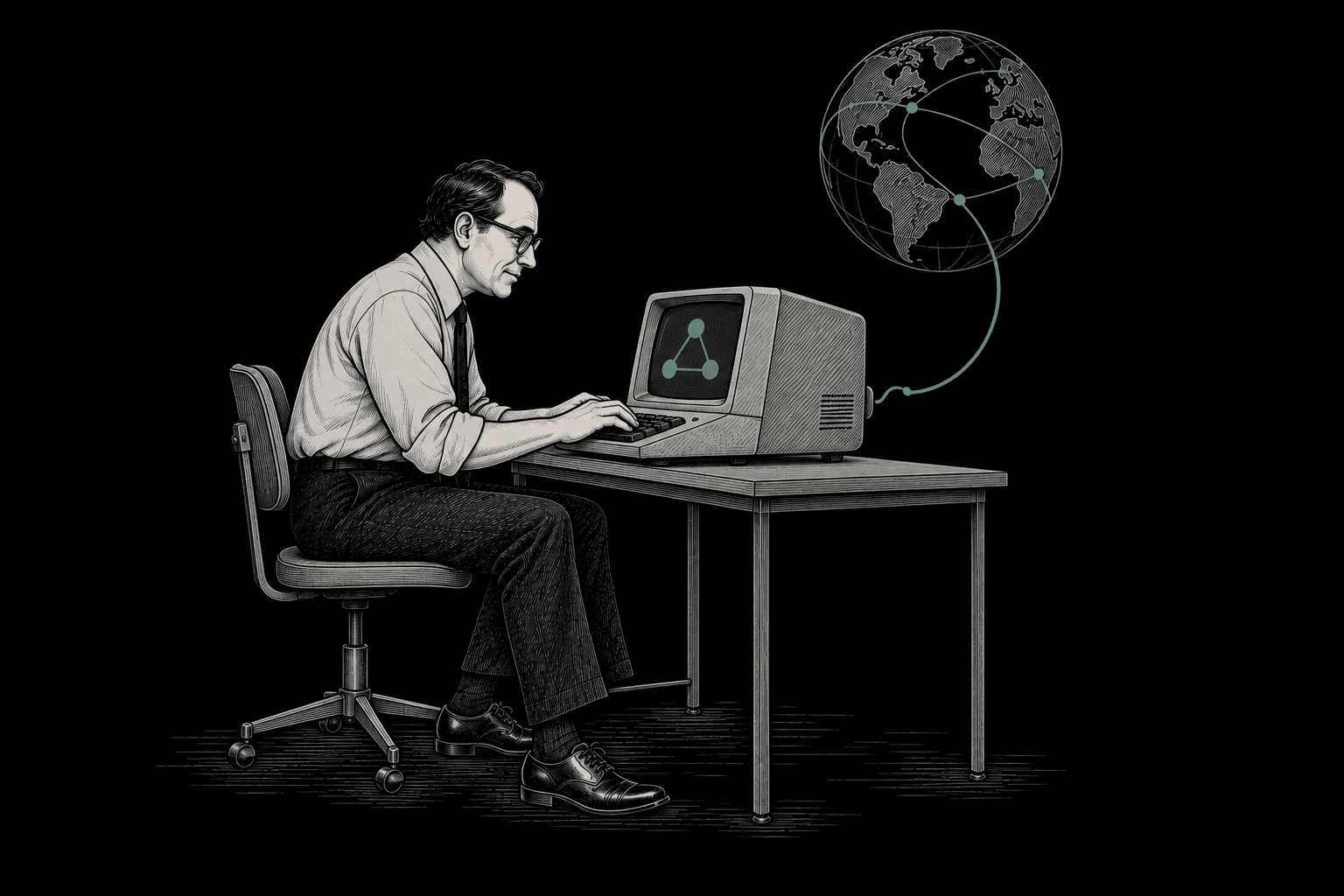
In 1960 J.C.R. Licklider wrote that people and computers would soon think together as no human brain had ever thought. Two years later he was at ARPA, funding the people who built the personal computer and the internet.
That same year Douglas Engelbart set out a programme for augmenting human intellect: the person made more capable, not replaced.


1984
The best method we could never afford
In 1984 Benjamin Bloom measured what the classroom had cost us. In his studies, children taught one to one, with a tutor checking mastery before moving on, did two standard deviations better than children in a classroom. The average tutored child beat 98 percent of the class.


The best method we know is the one we could never afford to give everyone. Bloom called it the two sigma problem and left it open.

2022
Any question, answered
On 30 November 2022, ChatGPT gave anyone with a phone a patient, competent answer to any question in any field. Large language models had arrived, and they have only got better since. Today's frontier models will explain quantum error correction at whatever level you ask for.


And still the list stayed the same length. A chat window will explain anything, but it holds no picture of what you know, what you don't, and what comes next. So nothing compounds.


A chat window is built to answer, and learning happens when someone asks you the right question and waits. Licklider had put it well, quoting Poincaré: the question is not "What is the answer?" The question is "What is the question?"


2025
Agents for work
Then the same models learned to act, and work started getting automated: coding agents writing software, law firms running agents over their contracts, slide decks generated from a one-line brief.
Today
Agents for your life
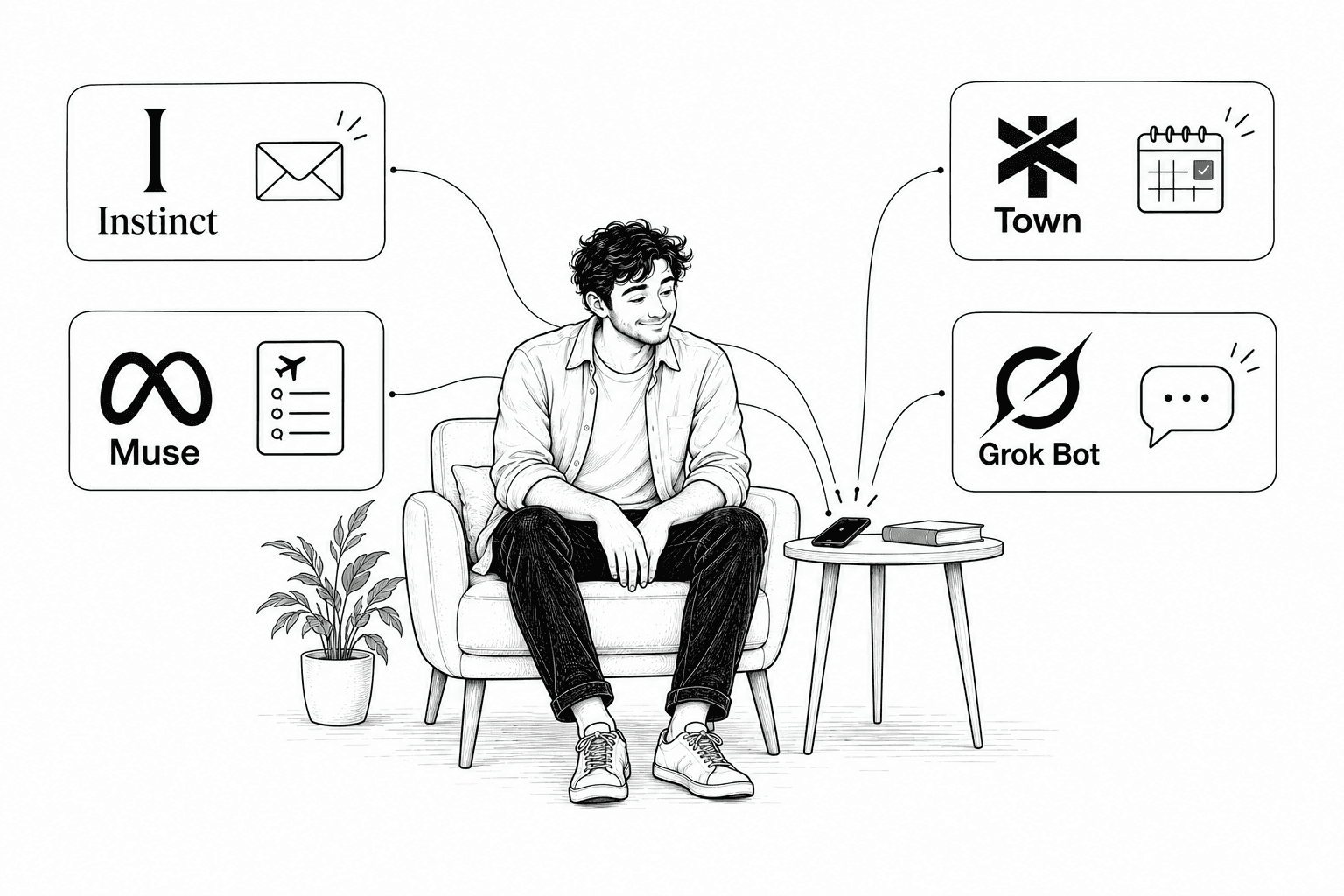
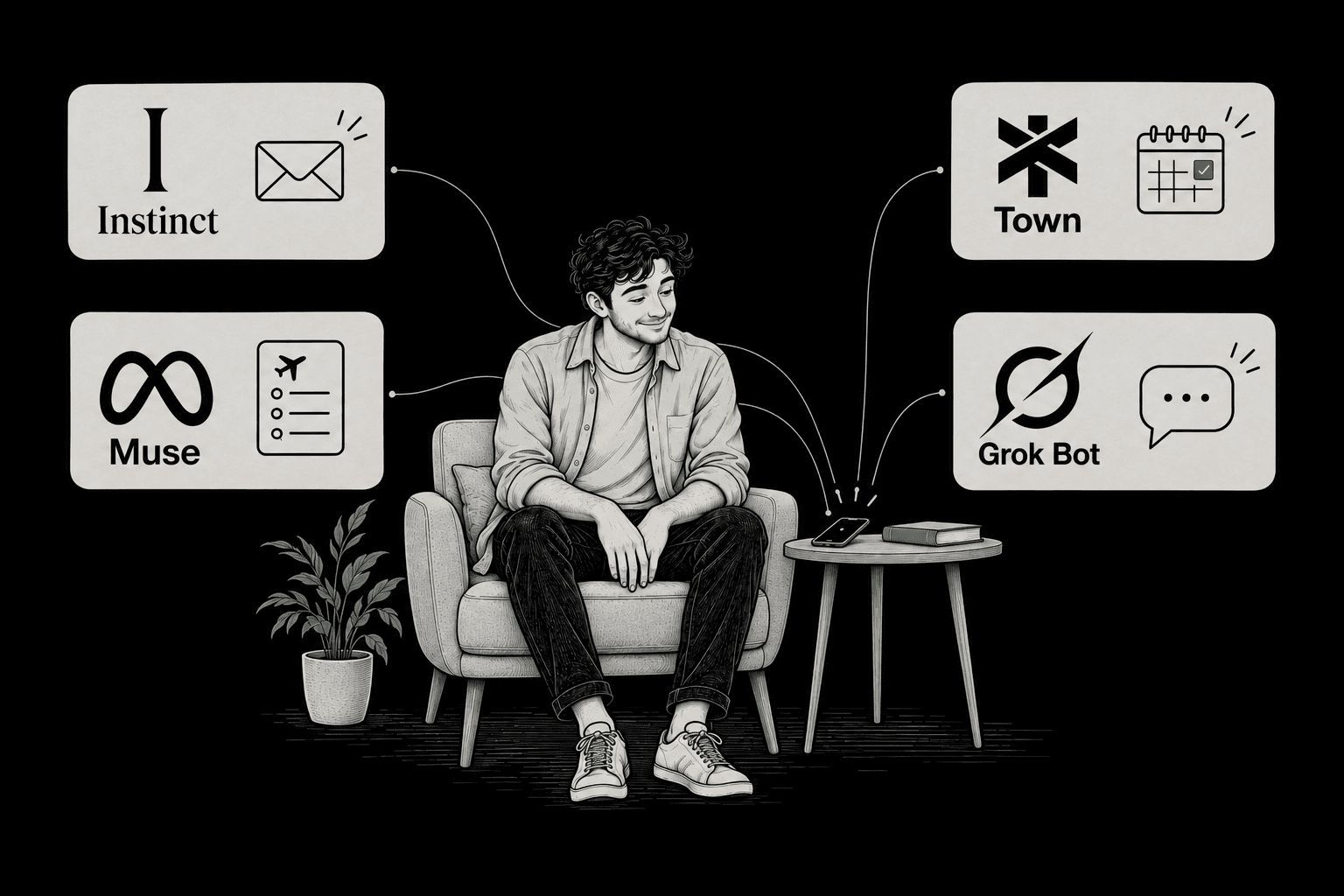
Now personal agents are hitting the mainstream. Instinct, Town, Muse, Grok Bot: they ask for your inbox, your calendar and your messages, and offer to run your life. Maybe they will. But an agent that does everything for you leaves you knowing exactly what you knew before.
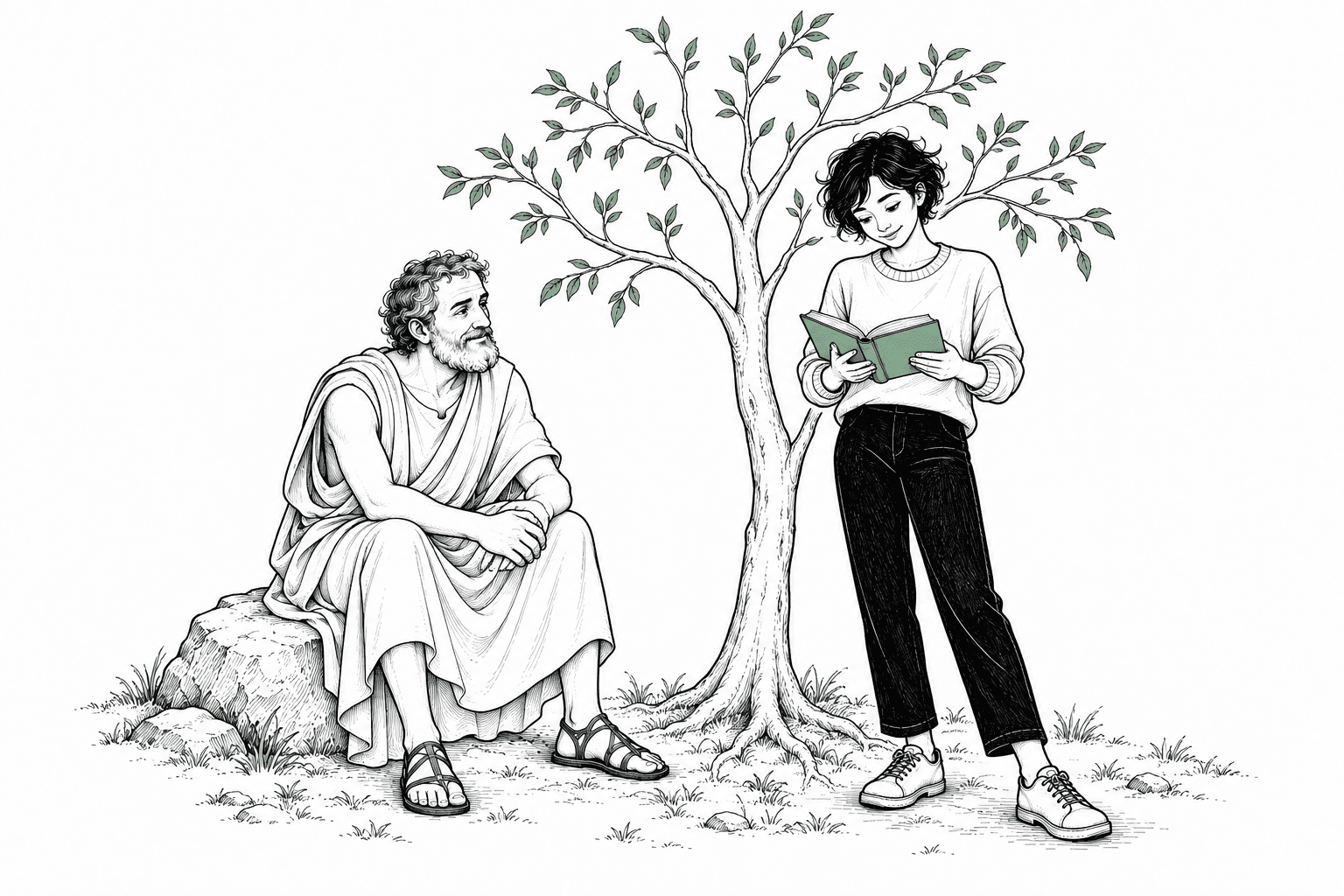
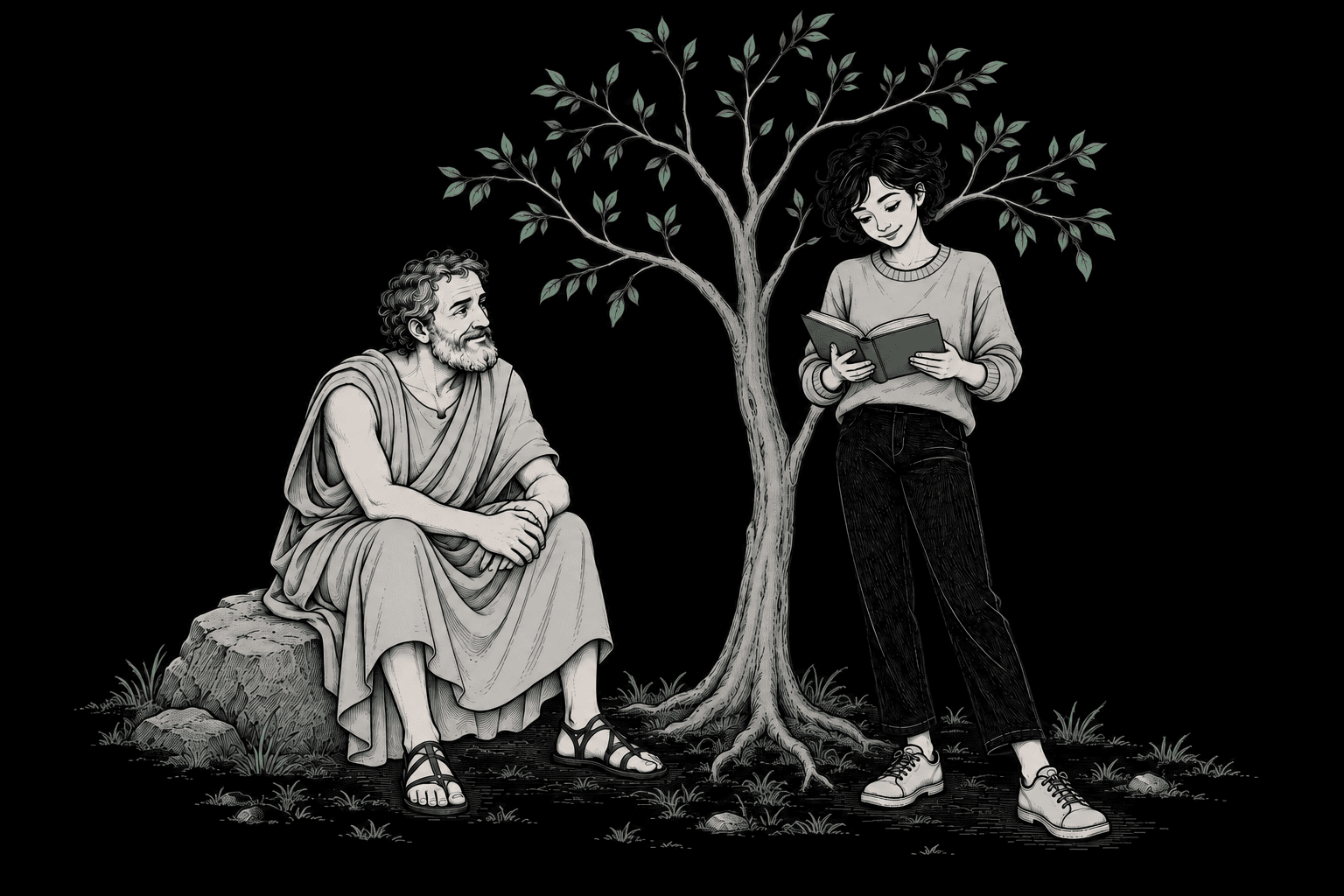
Miletus is the opposite. It takes the same frontier models and points them entirely at making you more capable: a personal agent that maps what you know, finds the gaps, and teaches you what comes next, the way the tutor in Bloom's study would.
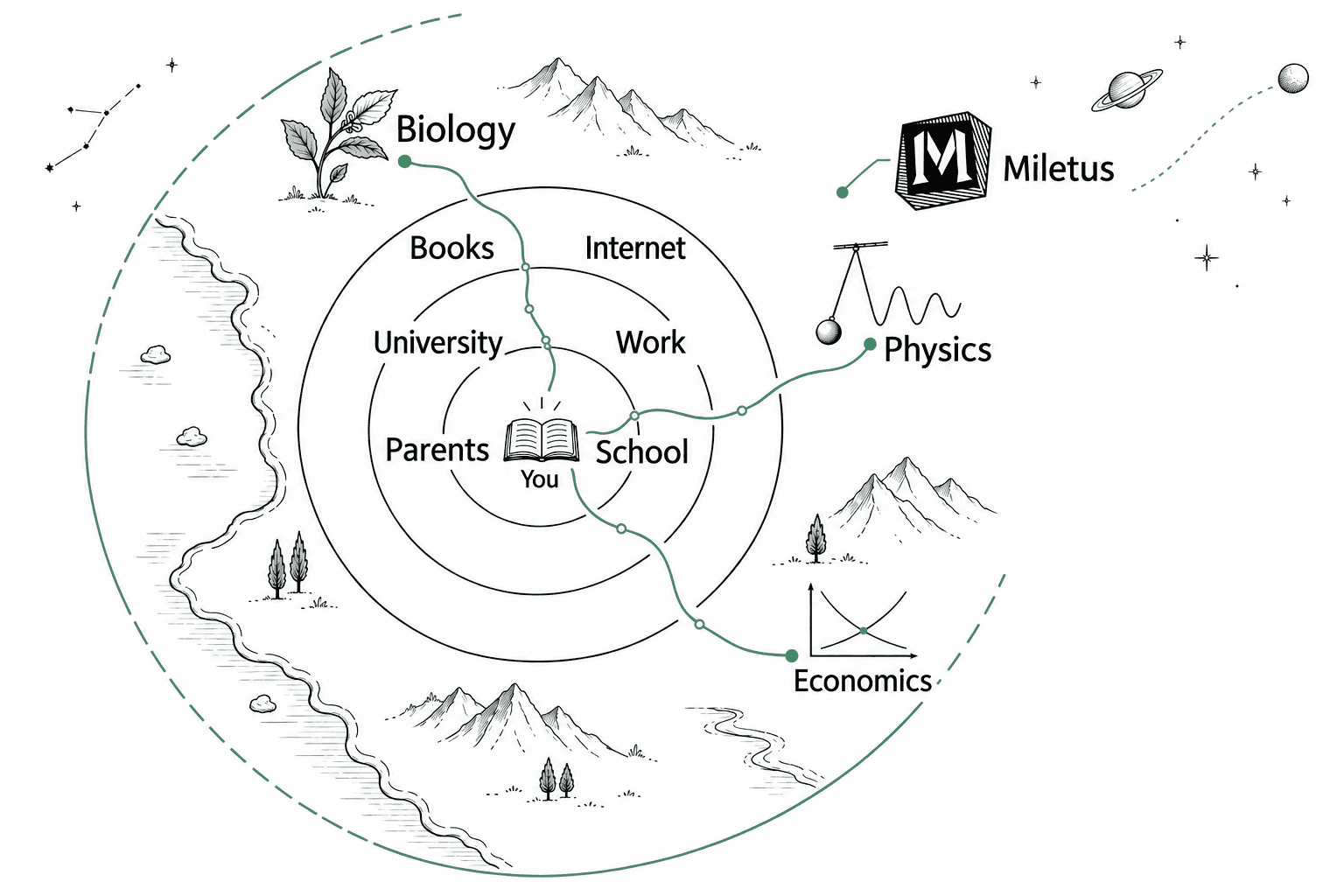
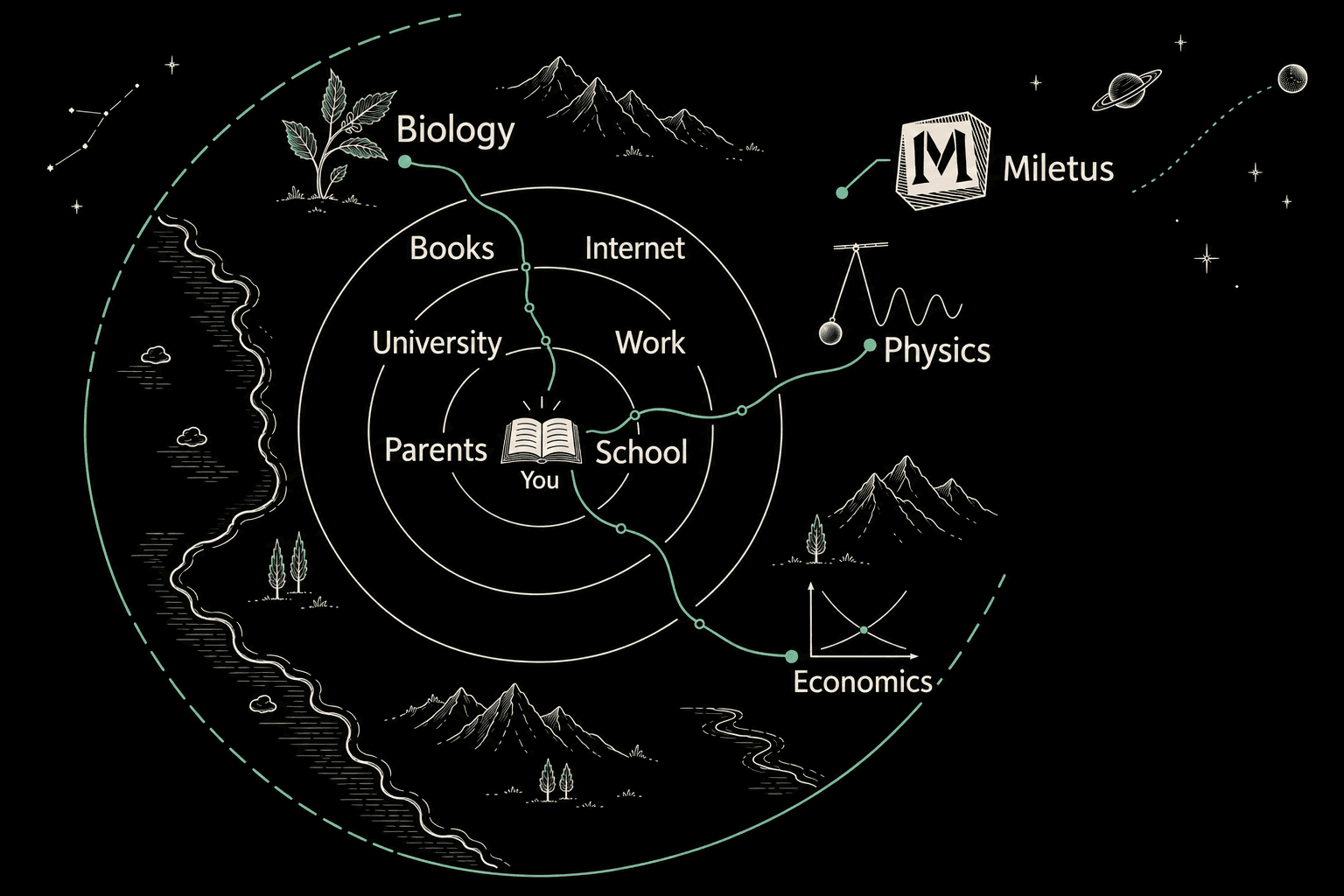
Miletus widens your radius of knowledge
Start with something you’ve wanted to understand for years: how a robot finds its way, why economies rise and fall, or how language models work.
- 01Find your starting point. A few questions map what you know and where the gaps are.
- 02Go on side quests. Personal learning quests that follow your interests, with explanations, worked examples and practice shaped around what you already know. Each one connects ideas across topics and suggests what to explore next.
- 03Make progress that lasts. Check your understanding as you go and revisit ideas before they fade. What you learn becomes the starting point for the next question.
Quiet by design: no access to your inbox, calendar or files. Miletus learns from what you share, and will only reach out by email, at a pace you control.
Start with one thing from your to-learn list.
Try MiletusBy "augmenting human intellect" we mean increasing the capability of a man to approach a complex problem situation, to gain comprehension to suit his particular needs, and to derive solutions to problems.